How Does Copyleaks Work? AI Detection & Plagiarism Explained
Copyleaks operates through a sophisticated combination of natural language processing, machine learning algorithms, and comprehensive database scanning to detect both plagiarism and AI-generated content. After testing dozens of detection tools over the past year, I found that understanding Copyleaks’ inner workings helps users interpret its results more accurately and make better content decisions.
When you submit text to Copyleaks, the system immediately begins a multi-layered analysis process that examines everything from sentence structure patterns to statistical language models. The platform’s dual detection capabilities set it apart from simpler plagiarism checkers, making it essential to understand how does Copyleaks work behind the scenes.
For users seeking reliable AI detection tools, Scribbr AI Checker provides an alternative approach worth considering alongside Copyleaks’ methodology.
What Is Copyleaks Detection Technology
Copyleaks combines two distinct detection engines: plagiarism detection and AI content identification. The plagiarism engine compares submitted text against billions of web pages, academic papers, and proprietary databases. Meanwhile, the AI detection component analyzes linguistic patterns that distinguish human writing from machine-generated content.
The platform uses advanced natural language processing to break down text into analyzable components. This includes tokenization (splitting text into individual words and phrases), semantic analysis (understanding meaning and context), and pattern recognition (identifying writing characteristics).
Copyleaks processes over 100 languages and can detect paraphrased content, not just exact matches. The system continuously updates its detection models based on new AI writing tools and plagiarism techniques.
How Copyleaks Plagiarism Detection Works
The plagiarism detection process begins the moment you upload or paste text into Copyleaks. Here’s the step-by-step breakdown of what happens:
Text Preprocessing: The system first cleans and standardizes your text, removing formatting while preserving the actual content. It identifies different text segments and prepares them for comparison.
Database Querying: Copyleaks simultaneously searches multiple databases including web crawls, academic repositories, and publisher content. The system doesn’t just look for exact matches but also searches for semantically similar passages.
Similarity Scoring: Each potential match receives a confidence score based on factors like phrase length, word order, and contextual similarity. The algorithm weighs these factors to determine the likelihood of plagiarism.
Results Compilation: Finally, Copyleaks generates a comprehensive report showing percentage similarities, source links, and highlighted matching text segments. The entire process typically completes within 60 seconds for standard documents.
How Does Copyleaks AI Detection Work
Copyleaks’ AI detection employs machine learning models trained on millions of human-written and AI-generated text samples. The system analyzes multiple linguistic fingerprints that reveal content origin.
Statistical Pattern Analysis: The detection engine examines word choice patterns, sentence length variations, and vocabulary diversity. AI-generated content often exhibits more uniform patterns compared to natural human writing variations.
Semantic Consistency Checking: Copyleaks evaluates how ideas flow and connect throughout the text. AI writing tools sometimes produce content with subtle logical inconsistencies or unnatural topic transitions.
Linguistic Fingerprinting: The system identifies specific markers associated with different AI models like GPT, Claude, or Jasper. Each AI tool has characteristic patterns in grammar usage, punctuation preferences, and phrase construction.
Confidence Scoring: Rather than simple yes/no results, Copyleaks provides percentage-based confidence scores indicating the likelihood of AI generation for different text sections.
Understanding Copyleaks Reports and Accuracy
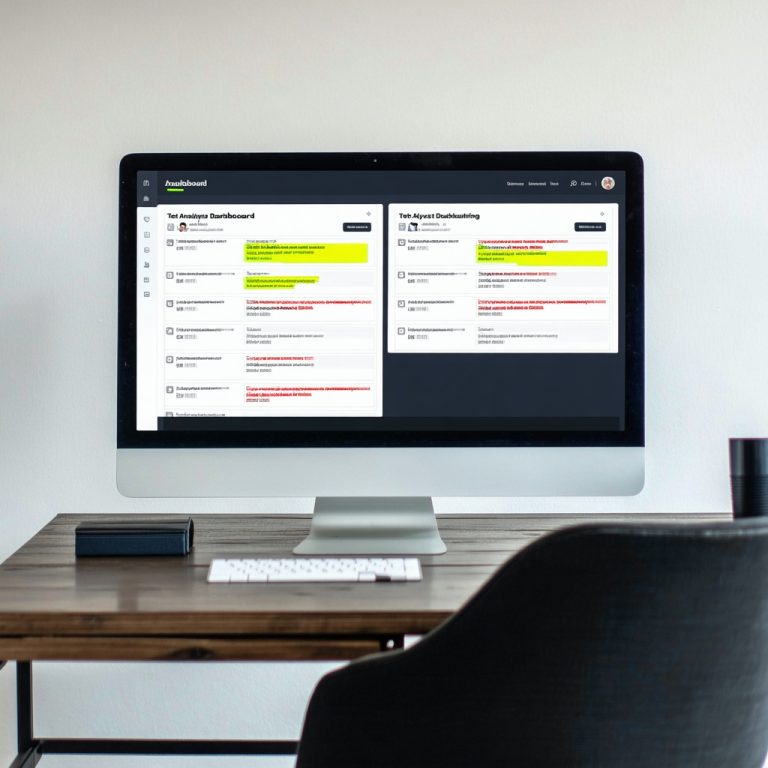
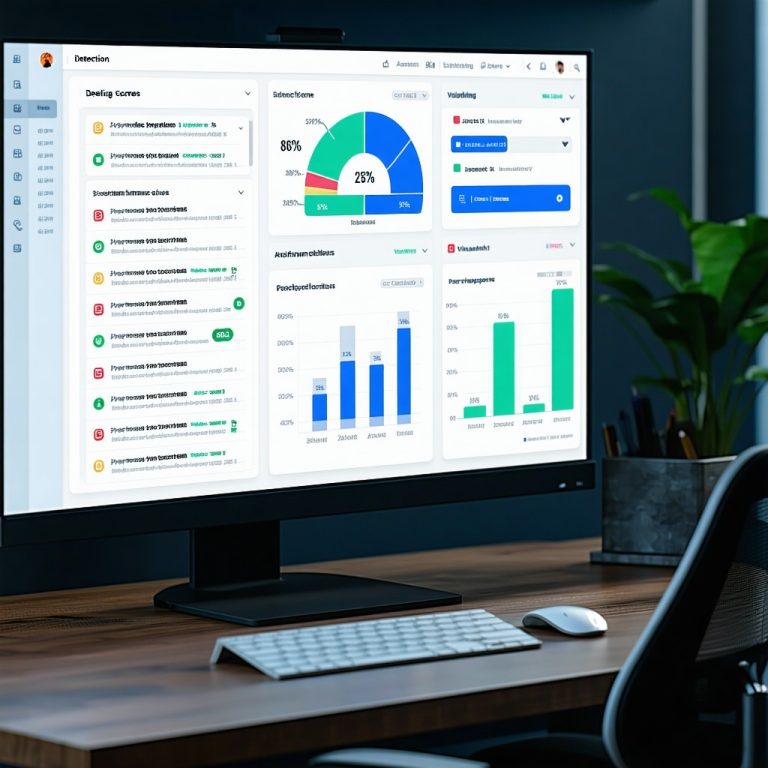
Copyleaks reports display results through color-coded highlighting and detailed similarity percentages. Red highlighting typically indicates high-confidence matches, while yellow suggests possible similarities requiring human review.
The plagiarism detection accuracy varies by content type and source availability. Academic content generally shows higher accuracy due to comprehensive database coverage, while recent web content might have detection gaps if not yet indexed.
AI detection accuracy depends heavily on the AI model used and content length. Shorter text samples (under 50 words) present greater challenges for accurate detection. Copyleaks performs best with content exceeding 150 words, where pattern analysis becomes more reliable.
Users report accuracy rates between 85-95% for plagiarism detection and 70-85% for AI detection, though these figures vary significantly based on specific use cases and content types.
Key Technical Features and Limitations
Copyleaks offers several advanced features that influence its detection capabilities:
API Integration: The platform provides robust API access for bulk processing and custom integrations, allowing organizations to automate their detection workflows.
Batch Processing: Users can submit multiple documents simultaneously, with results processing in parallel to save time on large projects.
Custom Database Creation: Organizations can build private databases for internal comparison, particularly useful for educational institutions tracking student submissions over time.
However, Copyleaks has notable limitations. The system struggles with heavily technical content, creative writing with intentional style mimicry, and multilingual documents mixing languages within single paragraphs.
Real-time detection isn’t available, requiring users to wait for processing completion. Additionally, the AI detection component may produce false positives with highly edited human content or false negatives with sophisticated AI prompting techniques.
Comparison with Other Detection Methods
| Feature | Copyleaks | Turnitin | Scribbr |
|---|---|---|---|
| AI Detection | Yes | Limited | Yes |
| Database Size | 60+ billion pages | 70+ billion pages | 99+ billion pages |
| Languages Supported | 100+ | 30+ | 95+ |
| API Access | Full API | Limited | Partial |
| Processing Speed | 1-2 minutes | 3-5 minutes | 1-3 minutes |
| Accuracy Rate | 85-95% | 90-98% | 88-94% |
Frequently Asked Questions
How long does Copyleaks take to process documents?
Copyleaks typically processes standard documents (1-10 pages) within 1-2 minutes. Larger documents or those requiring extensive database searches may take up to 5 minutes. Processing time also depends on current system load and the complexity of the content being analyzed.
Can Copyleaks detect paraphrased plagiarism?
Yes, Copyleaks uses semantic analysis to identify paraphrased content beyond exact text matches. The system compares meaning and context rather than just word-for-word similarities, making it effective at catching sophisticated paraphrasing attempts. However, heavily rewritten content with completely restructured sentences may sometimes evade detection.
Why does Copyleaks show different AI detection scores for the same text?
AI detection scores can vary due to several factors including model updates, processing server differences, and the specific text segment being analyzed. Copyleaks continuously refines its AI detection algorithms, which can lead to slight score variations over time. Additionally, the system may weight different linguistic patterns differently during separate analyses.
Does Copyleaks store submitted documents permanently?
Copyleaks retains documents according to user settings and account type. Free users typically have documents stored for comparison purposes, while premium users can often configure retention policies. Educational institutions may have different storage terms based on their licensing agreements. Check your specific account settings to understand document retention policies.